Benefits of Sauna Use
February 1, 2022
It’s pretty amazing how things fall into place. I have been working with a dietician as part of a health program called Move Fully Nourished. Part of this program is having weekly calls with my coach and working to form healthy habits, not just physically, but mentally and emotionally. A few weeks ago we spent a lot of time speaking about ways that I could set aside time to focus on my mental health. She suggested hydrotherapy might be a good option for me and went on to give me some home remedy ways to incorporate hydrotherapy into my weekly routine. As soon as I got off the call, I thought to myself, “Wow, I didn’t even mention the sauna we just got for our home. I wonder if that falls under hydrotherapy.” Cmon Jess! When you think of hydrotherapy, a sauna is the number one form of hydrotherapy out there! Needless to say, the stars aligned. But it did make me curious what exactly the benefits were to using a sauna and so I decided to do some research.
When a person sits in a sauna, their heart rate increases, and blood vessels widen. This increases circulation similar to the way low to moderate exercise can. Here are some of the benefits of using a sauna:
- Pain Relief – Increased circulation can help reduce muscle soreness, improve joint movement, and ease arthritis pain. Since the blood vessels relax and dilate in a sauna, blood flow increases and the experience can help tension in the joints and relieve sore muscles.
- Reduce Stress Levels – This is the main reason I use the sauna. Juggling multiple jobs, a 2 year old, a husband, and managing a home is extremely stressful and can be a lot at times. As the heat in a sauna improves circulation, it may also promote relaxation. When I use the sauna, I don’t bring my phone, my ipad, nothing. I sit there for 30 minutes with nothing but my thoughts and you wouldn’t believe the immediate relief I feel.
- Improving Cardiovascular Health – The reduction in stress can be linked to a lower risk of cardiovascular events. There have been a number of studies done that have showed that repeated sauna use has lowered the number of cardiac deaths.
- Improves Skin – Some people with psoriasis have found that their symptoms reduce while using a sauna.
- Benefits with Asthma – Saunas can help open airways, loosen phlegm, and reduce stress, which can help those who suffer with asthma.
I just started my journey with using a sauna as a form of hydrotherapy and so far, I feel like it’s really helping my mental health. I feel like the more I use it and have it become part of my regular routine, I will start to see and feel some of these other benefits as well.
Getting Back Into a Routine – 3 Steps
October 4, 2021
This topic is one that I’m currently experiencing. There are a million and one reasons why we get thrown off our routine when it comes to working out and eating healthy. Here are some common ones:
- Get sick
- Take a vacation
- Simply need a break
For me, my family got hit with COVID and we’ve been down for 3 weeks. I had severe flu-like symptoms and quite frankly, even though I’ve since tested negative, I am still working to feel back to normal. Before I got sick, I had established a pretty consistent routine. I was working out at least 4 days a week and, often times, getting in a couple of walks with my husband and son on the weekends. I also was eating pretty well. I have recently started working with a dietician and she has really helped me work on developing a healthy balance of good, nutrient-rich foods and foods I love.
When I got sick, I felt like someone ripped the rug right out from underneath me. All the progress I had made over the past 2 months were completely erased as if they never happened. I had no appetite so my goal became to make sure I ate period. It didn’t matter what I ate, I needed the calories. As I started to get better, my appetite came back but I still kept my focus on just eating calories. On top of that, I was bed-ridden for most of the 2 weeks so I had extremely limited mobility. When I got better, my husband tested positive and I went from being quarantined in my bedroom to taking over as the sole caretaker for our son. Did I mention I also was working this whole time? I have worked from home since before COVID so I decided it was better to work to take my mind off of how crappy I felt. At that point, I was so tired by the end of the day (remember I was still recovering) that I would either order out or cook some buttered noodles.
Now that we’re all healthy again, I’ve been working to get back into my routine. This is so much easier said than done! First of all, your body is still in recovery mode so it’s essential to make sure you are taking slow steps. If you try to go from 0 to 100, you’re going to crash. In my opinion, I find that you can break down your recover into 3 easy steps. We’ll just call them level 1, level 2 and level 3.
Level 1
Level 1 is like the beginner phase. While the actual amount of effort is the lowest at this level, I find it to be one of the hardest, especially if you’ve been sick. Why is that? Because if you’re anything like me, you don’t want to act like a “beginner” and you don’t want to “take things easy”. You want to pick up right where you left off. If you were sick, you may physically be unable to workout at the degree you were. But even if you weren’t sick, you’ve taken time off from the level you were working at. You think it’s that simple to jump back and perform at that same level? HA! That’s funny. Nope, sorry. It’s not going to happen. And guess what? You are going to feel it. It may be 5 minutes in, it may be 45 minutes in, but you’ll have that realization regardless. The best rule of thumb when you are at this level 1 is to LISTEN TO YOUR BODY. Some of the best ways to get your body back into a routine and start to introduce physical activity again is to go on a walk, take a casual bike ride, or do a low level stationary bike routine. These 3 workouts are my go-to. I also like doing these on an active recovery day. Yoga is another great exercise but you need to make sure it’s a light yoga class. Some yoga classes are harder than running a marathon! I went through level 1 last week and I did 2 stationary bike workouts for 20 minutes each and 3 walks for 25 minutes each. I felt better and better each day.
Level 2
Ok so you’ve made it through level 1. You’re able to go on a walk without feeling like you just ran 100 sprints and your body is itching to get to that next level. So what happens at level 2? Level 2 is similar to the moderate level. You’re not back to your best but you’re ready to start actual workouts again. For me personally, I like to run so I knew that was going to be my first workout. You still don’t want to overdo it, though, so you need to make sure that for at least the first workout you give yourself a little cushion. Here’s a good example. One of my normal runs that I do is an interval run with a 2 minute walk, 2 minute jog, and a total of 5 sets. For my first run, I decided to do a 3 minute walk, 2 minute jog, and still 5 sets. Depending on how that first workout goes will really dictate how to adjust. You either feel great and are ready to do the same intensity or slowly increase it, or it was a bit too much and you need to lighten up a bit. Either way, you should take about a week at each level to give yourself plenty of time to really let your body adjust.
Level 3
You’ve made it. You’ve taken the time to go through level 1 and level 2 and you are ready to get back to challenging yourself. Whether that is doing jump squats in place of stationary squats or high knees instead of knee raises, you’re ready! Unlike level 1 and 2, level 3 doesn’t take a week. At level 3, you’re essentially back to where you were. I’m personally very excited to get back to this level because I am extremely competitive and crushing goals sounds so good!!
I think the most important thing to remember in whichever level you are at is to LISTEN TO YOUR BODY. Take the time to stretch before and after your workout, if you find yourself struggling it’s time to adjust, don’t try to do too much too soon, and give yourself a rest day! I hope you find this helpful. We all end up taking time off for one reason or another. It’s healthy and it’s important. But it’s also important to take the necessary steps to get back to the level you were previously at. I am not a nutritionist, a doctor, or a personal trainer, but I have gone through these levels multiple times and these are what work for me. What works for you? I’d love to hear about it in the comments section 🙂
5 Types of Exercise Equipment Under $20
August 15, 2021
As important as working out and physical fitness are, they can be very costly and expensive to manage. Gym memberships can range anywhere from $15/month to over $100/month. Even at $15/month that adds up to over $180 a year. That doesn’t include the gas it takes to get to and from the gym or the water bottle or other energy drinks you inevitably purchase while you’re there. However, there are more cost-effective options you have that can still give you a great workout without feeling broke at the end. I have put together 5 types of exercise equipment that I still use to this day and each piece of equipment costs less than $20.
1. Booty Bands
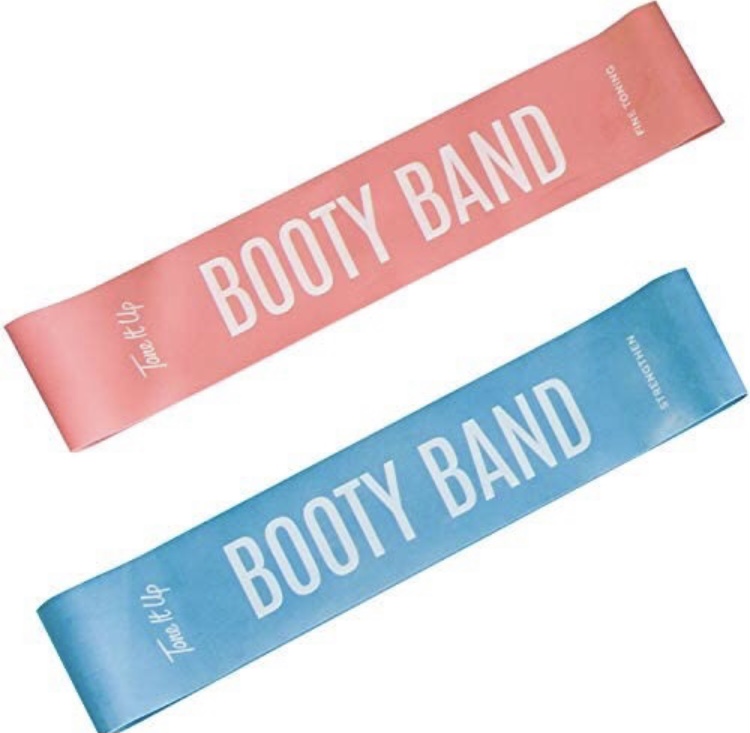
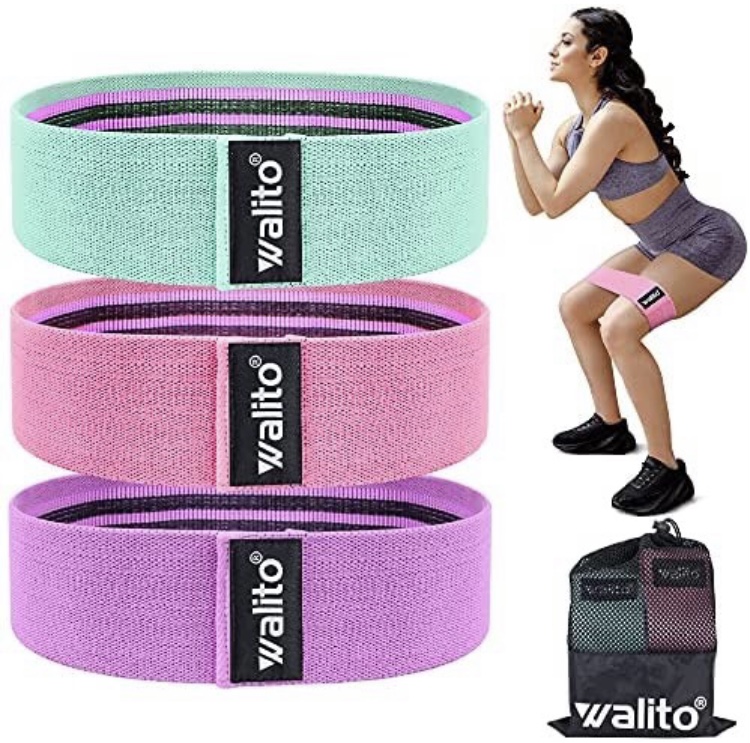
Booty bands are one of the most affordable and travel-friendly pieces of equipment. The 2 I have listed above cost $9 and $11. There are several different booty workouts you can do with these bands that will leave you very sore the next day. These are also some of the easiest to bring with you when you travel as they easily fit in any suitcase or carry on bag.
2. Jump Ropes
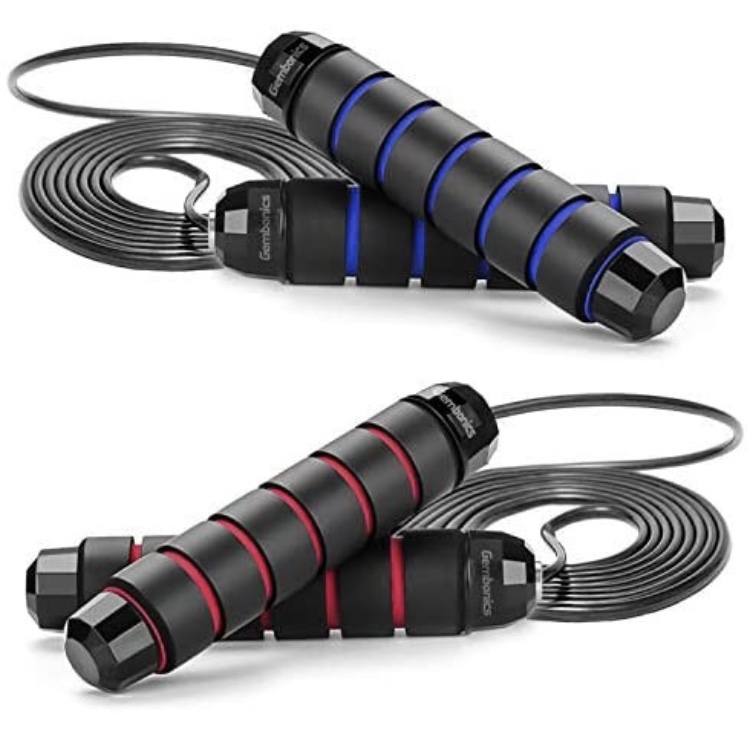
Jump ropes are another affordable option for work outs. Unlike the booty bands that specifically target your booty and lower body, jump ropes are a great cardio option. The one above costs $11.45 so also very affordable. This is another travel-friendly option since it can be rolled up and doesn’t take up too much room. One of the best factors of jump ropes is you can really use them anywhere.
3. Resistance Bands with Handle

Resistance bands are similar to booty bands in that they are more for fine-toning. However, they can really be used for both upper and lower body. You can also get creative and utilize it for certain cardio moves. This one costs $12. These often come in different levels of resistance so you can really control your level of intensity for your workouts. These can also be travel-friendly but the handles make it a bit bulkier for storing.
4. Sliders
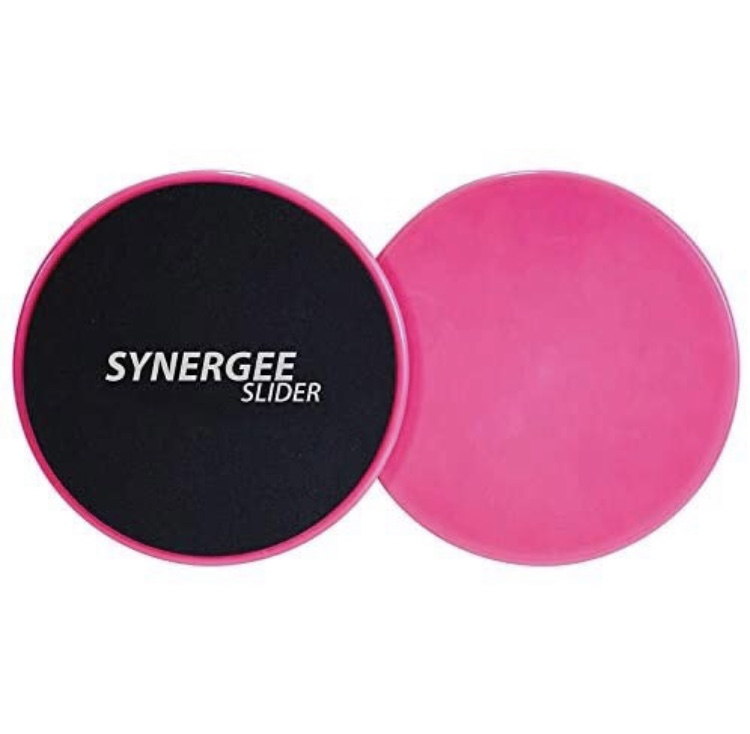
This is probably the piece of equipment I hate the most in the best way. These tiny little discs look innocent, but oh boy, do they pack an intense workout that leaves you sore for days! I mostly use these for different cardio moves but you can really fine tone and even challenge everyday moves like mountain climbers and push ups. These are also easy to store for travel and cost about $8 so very affordable.
5. Ankle Weights

This is another piece of equipment that I think is best for fine toning. It really adds an extra level of intensity to any workout. I wouldn’t recommend wearing these when running, but I do think this could be a good option for some other types of cardio (i.e. stationary bike, high knees, mountain climbers, etc..). These are just under $7.
All of these products can be found at various retailers, but the ones I have noted are all Amazon. I’ve left the links below for you. If you are just starting out or interested in bringing your workout home, I think any of these 5 pieces of equipment would be a great start!
https://rstyle.me/cz-n/fpwcd5dap27
https://rstyle.me/cz-n/fpwbxndap27
https://rstyle.me/cz-n/fpwbyidap27
https://rstyle.me/cz-n/fpwb6ddap27
https://rstyle.me/cz-n/fpwb93dap27
https://rstyle.me/cz-n/fpwcbjdap27
 Jessie Schu